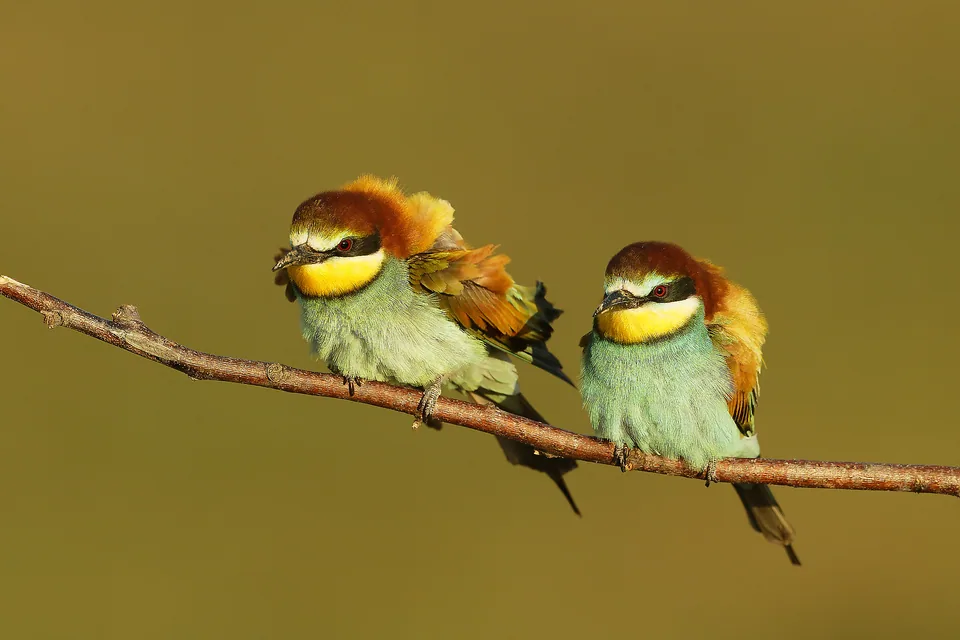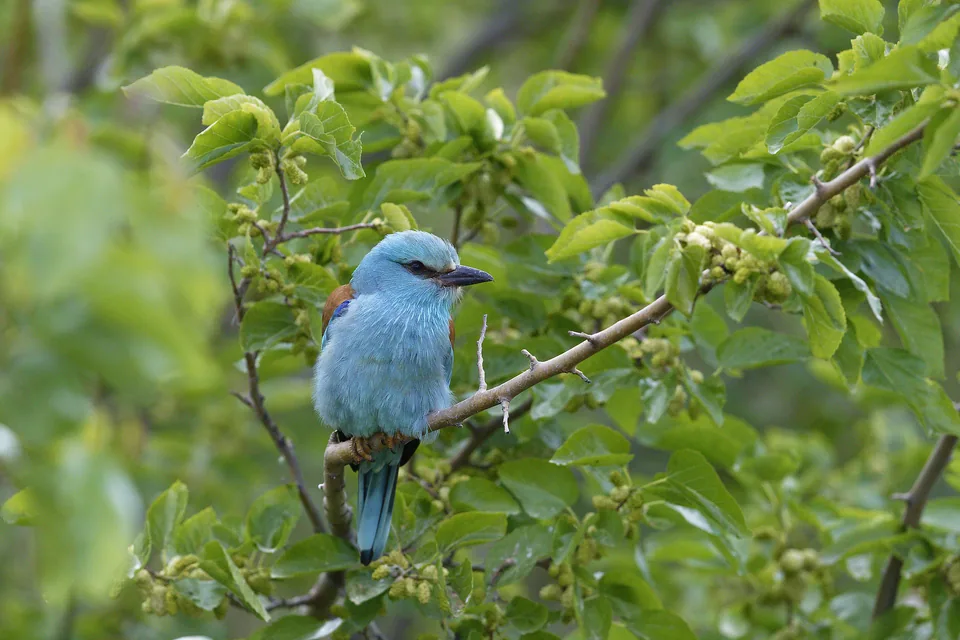
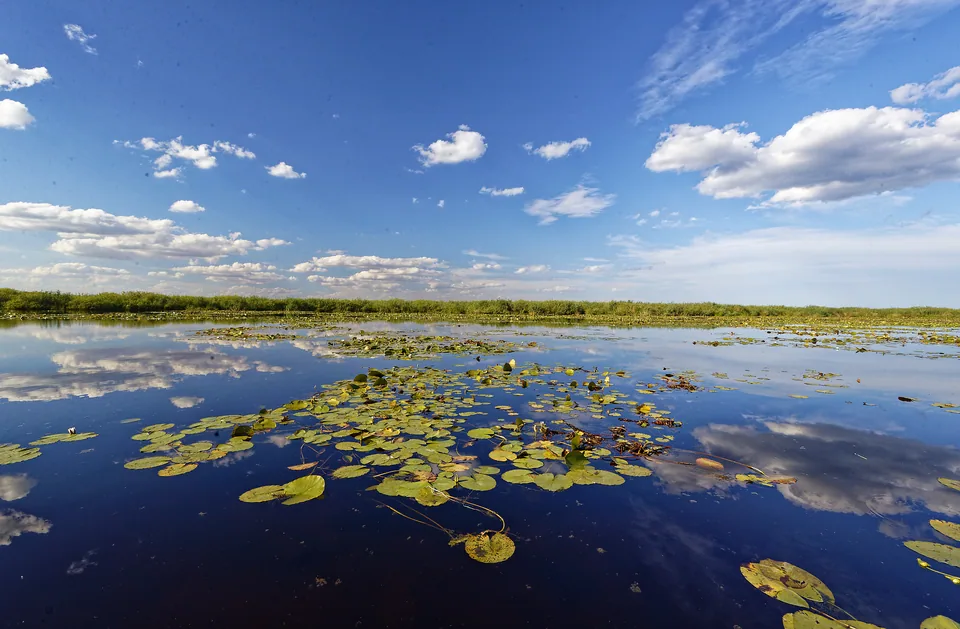
Birds often draw visitors to the Danube Delta, but they are only part of its wetland life. Looking beyond the obvious subjects changes how you experience a channel or lakeside stop. A ripple, an insect near vegetation or a track on an accessible bank can open a conversation about the wider habitat.
Think about what happens beneath the surface
Fish are part of the Delta’s wildlife story even when they are difficult to observe directly. Watch what a feeding bird is doing and how it uses the water. You do not need to identify every fish to begin noticing connections between an animal and the place where it feeds.
Treat a sudden splash as the start of an observation, not an instant identification. Note its position, movement and what else is happening nearby. A guide can help separate what was actually seen from an attractive explanation that the evidence does not support.
Keep mammal expectations realistic
The Eurasian otter, Lutra lutra, is documented in the Danube Delta reserve. That does not make it a predictable part of a boat outing. Ask about suitable observation opportunities, but choose the trip for the whole wildlife experience rather than one hoped-for mammal.
If a possible sign or distant shape attracts attention, give the guide time to assess it. Do not follow an animal into cover, approach a resting place or leave an established route to improve the view. An uncertain encounter can remain uncertain without spoiling the day.
Give small subjects a little time
Insects, waterside vegetation and the textures of a bank offer subjects when large wildlife is distant. Pause where access is appropriate and look at a small area carefully. Photograph what you can reach from your existing position rather than handling animals or moving plants.
A wider photograph can explain the setting, while a detail image records something you might otherwise overlook. Carrying a suitable small-subject lens is a choice, not a requirement. A compact camera or a phone can also help you make a visual notebook.
Return to the habitat rather than a checklist
Ask how channels, lakes, reedbeds and riverside woodland differ, and what changes the guide is noticing. Learning to read those differences makes even a quiet stop worthwhile. The aim is not to replace a bird list with another list of guaranteed animals.
Keep notes about behaviour, habitat and questions to explore later. If broader natural history is your main interest, mention that before booking so that your chosen departure reflects it. Relevant tour pages explain the actual activities and regions included.
Before you go
- Enjoy habitat and behaviour as well as named species.
- Treat mammal encounters as possibilities, never guarantees.
- Observe small subjects without handling or disturbing them.
Turn your reading into time in the wild
Explore the relevant tours, then check each departure's itinerary, meeting point and equipment advice. Ask us if you would like help choosing.
Ask your local guide