They offer presence, meaning, and quiet

Wild Places That Offer More Than Just Landscapes

Explore the most fascinating natural regions in Romania – thoughtfully designed for birdwatching, wildlife photography, and a deep reconnection with nature.You won’t find mass tourism here. You’ll find expeditions built on patience, ethics, and true field knowledge.

A sanctuary for photographers and birdwatchers – a world of silence and slow rhythms.

Danube Delta - Romania

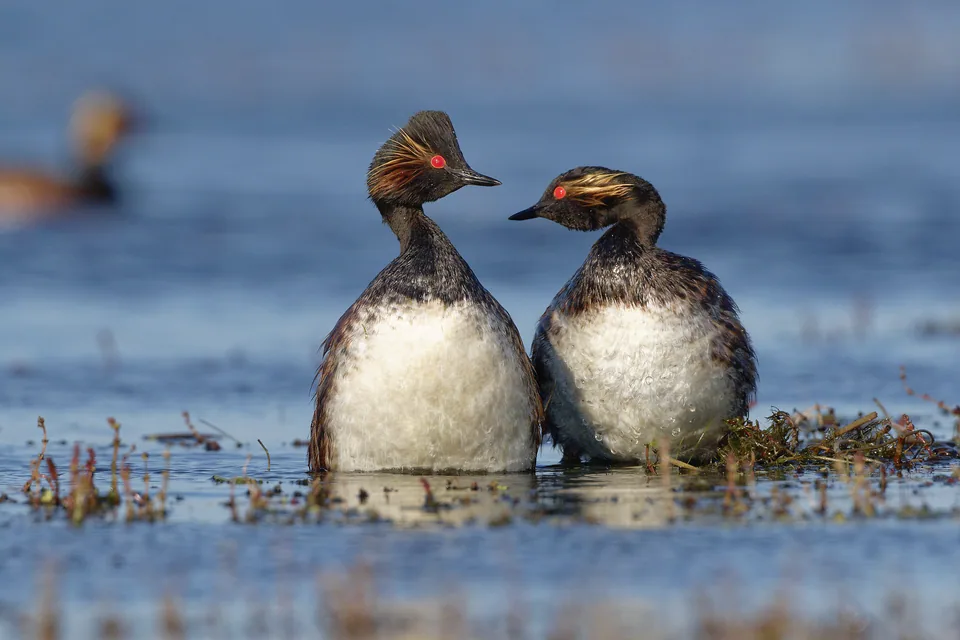
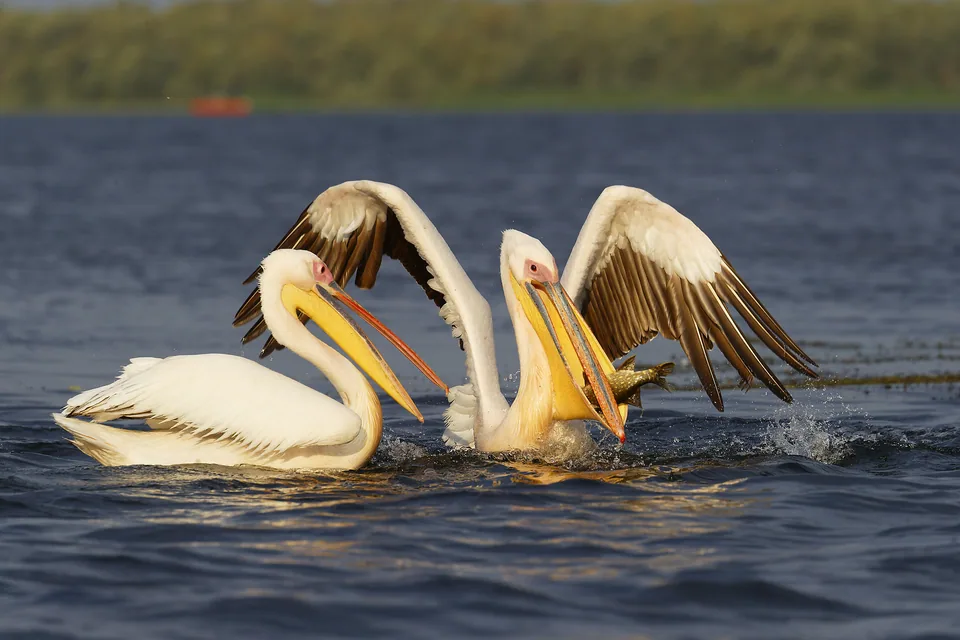
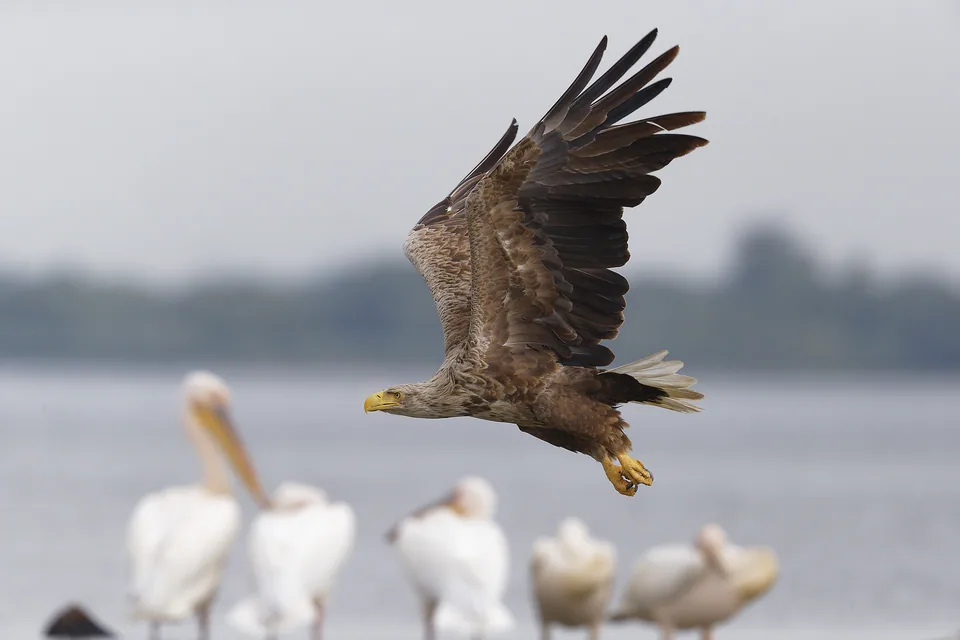
Here, light dances on water, birds arrive on their own terms, and every morning begins like a revelation. The Delta isn’t just a place. It’s a tempo – a living space where you witness intimate wildlife moments: a pair of herons building a nest, pelicans fishing at sunrise, a white-tailed eagle gripping its catch.Each expedition is carefully planned around light, behavior, and silence. Only 6 people per tour, in a low-profile boat designed for water-level photography.

More about Danube Delta
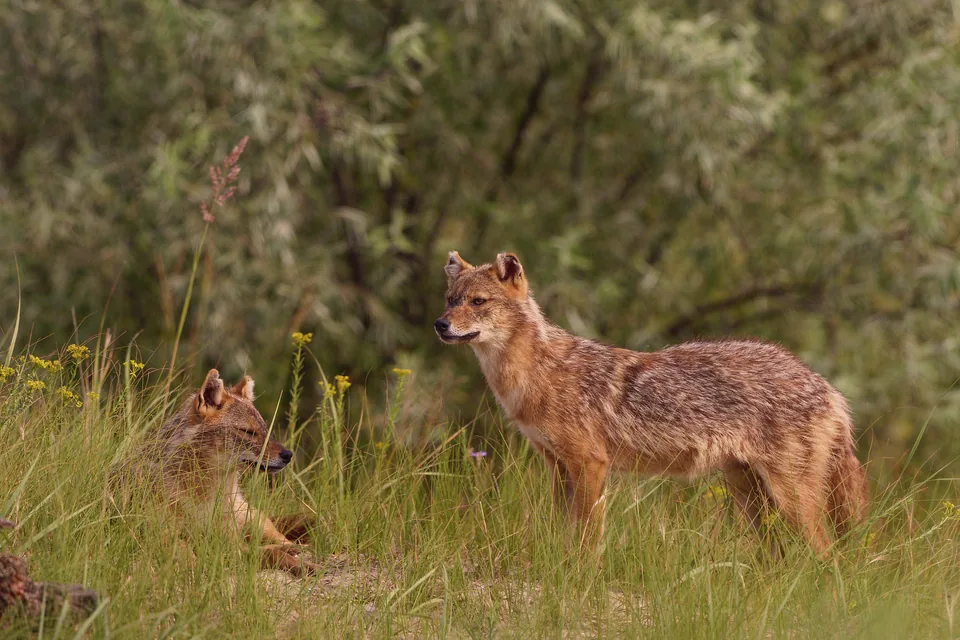
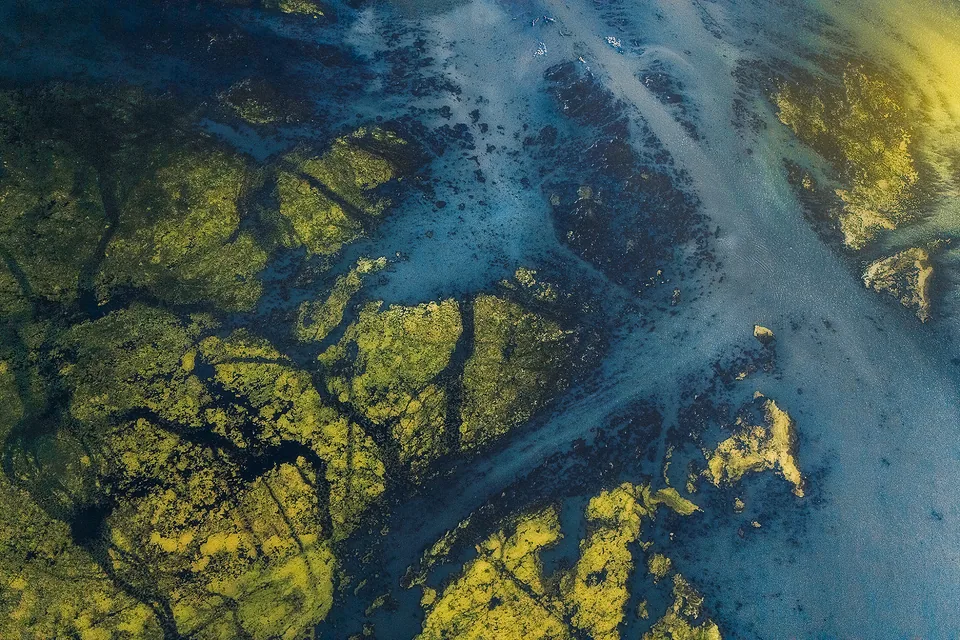
White-tailed eagle flying over water with pelicans in the background in the Danube Delta, RomaniaPair of black-necked grebes on the water in the Danube Delta, RomaniaGolden jackal with young in the Danube Delta, RomaniaGreat white pelicans feeding on fish in the Danube Delta, RomaniaAbstract wetland patterns seen from above in the Danube Delta, Romania

Arid hills, mysterious steppe, and migratory birds painting the sky

Wild Dobruja (Dobrogea) - Romania

Dobrogea is not what you expect. It’s not lush green – it’s scorched, warm, and deeply authentic. A nearly forgotten space where silence cuts sharp and birdsong rings clear.
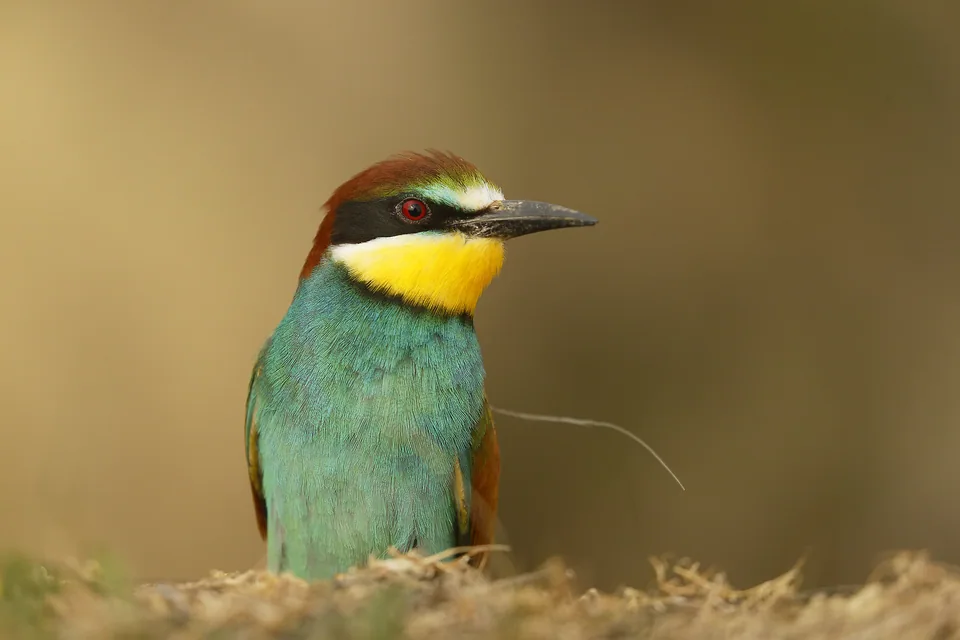
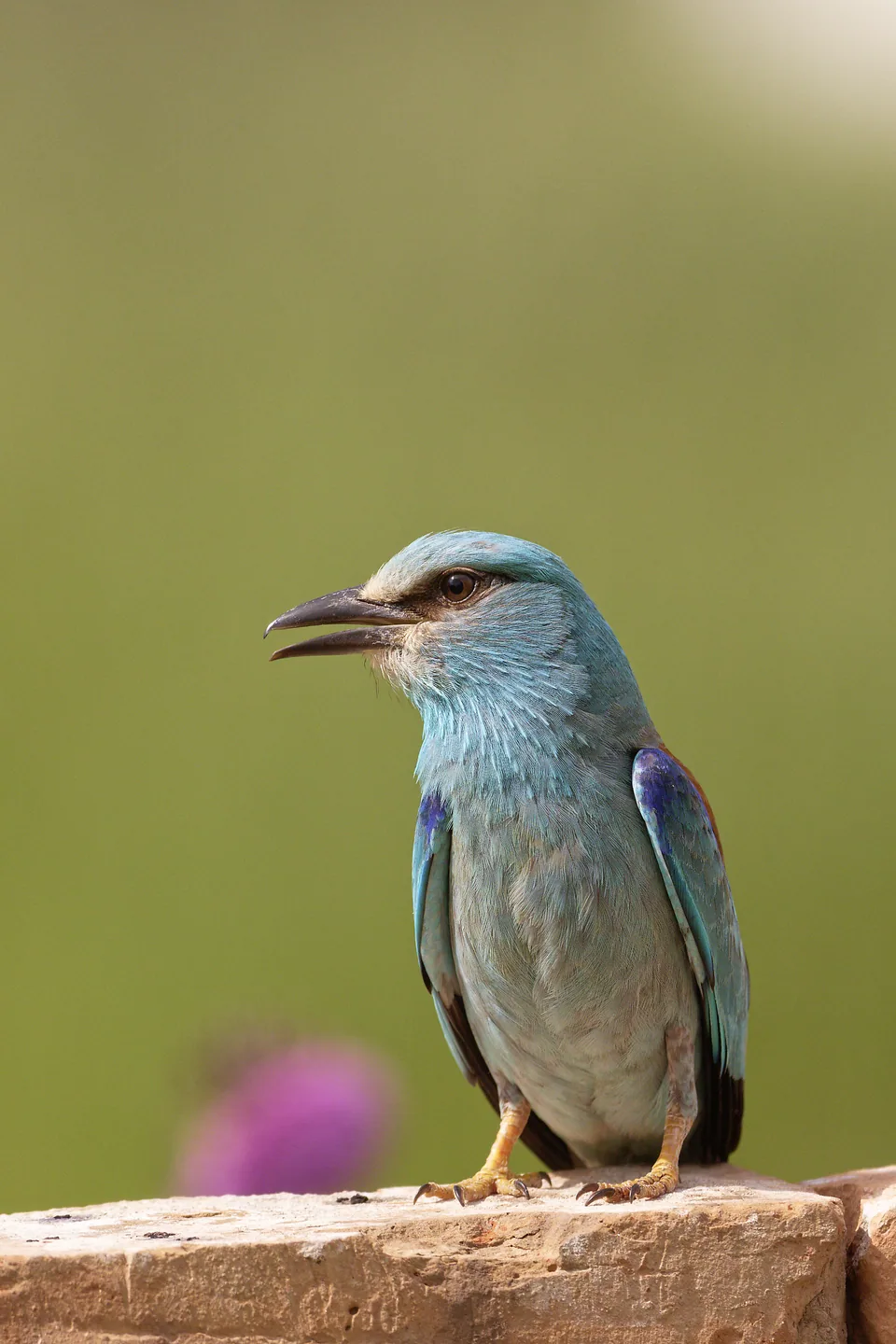
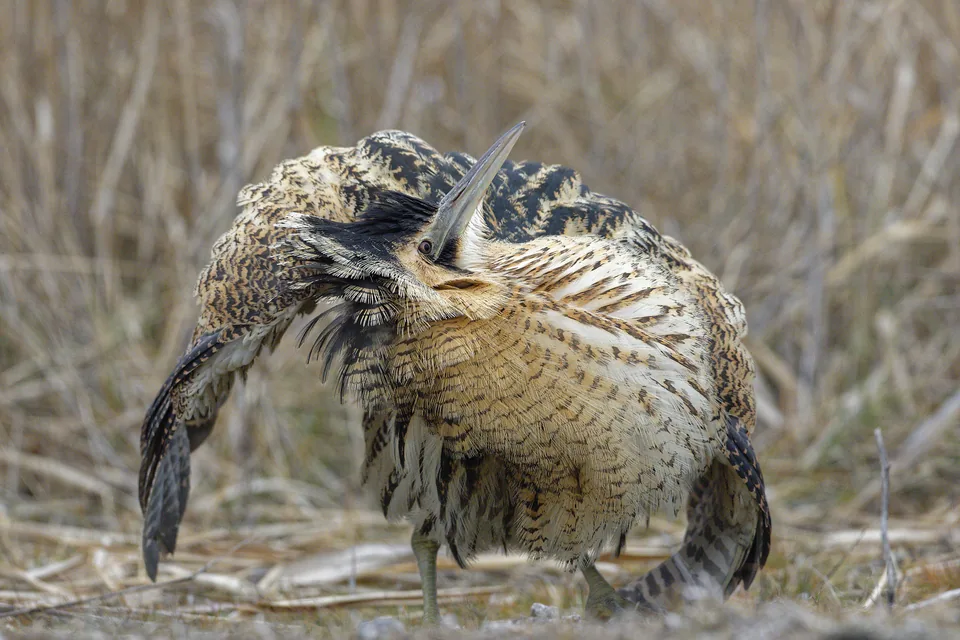
It’s the perfect place to photograph a bee-eater hovering just meters away, a roller frozen in the golden glow of midday, or a souslik darting between hills. You may also glimpse the lesser spotted eagle in wide gliding flight, the bittern camouflaged in reeds, or swifts tracing the sky in aerial choreography.
In these guided tours, we reach little-known spots far from paved roads, observe rare behaviors, and capture stark contrasts between stone, sky, and wing. Ideal for ethical birdwatching and documentary-style photography.

More about Wild Dobruja
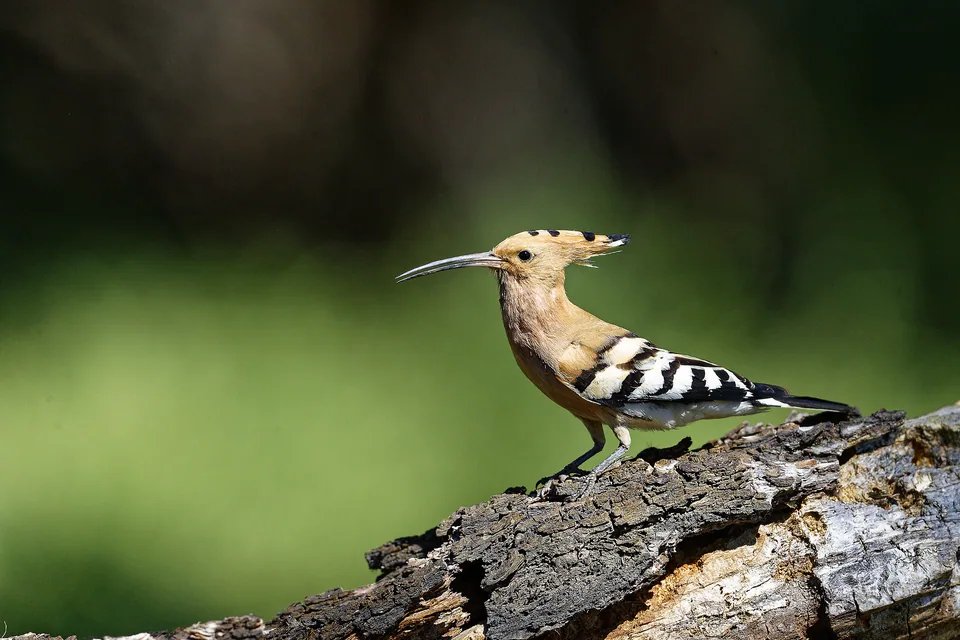
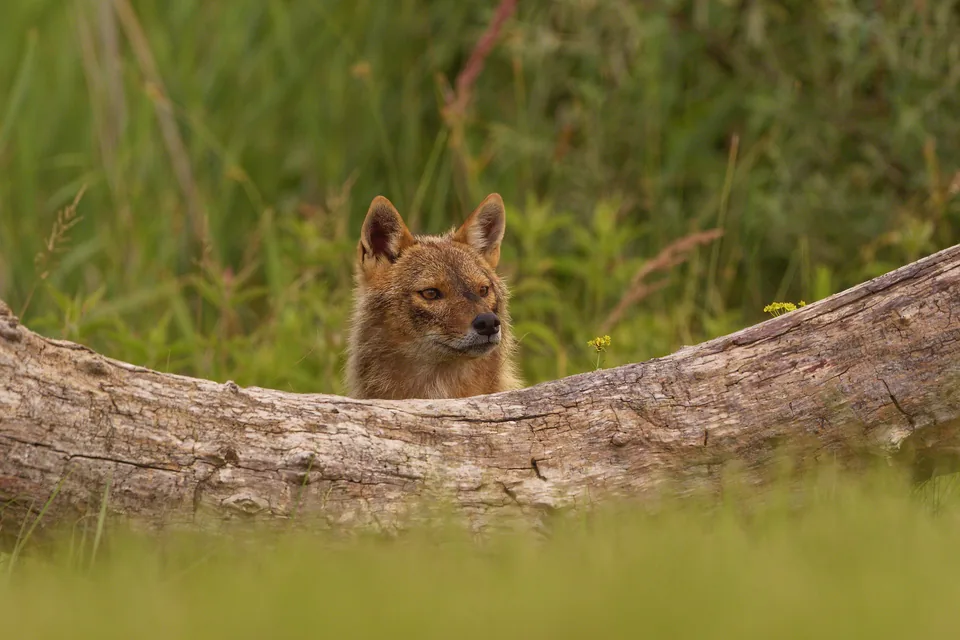
Portrait of a European bee-eater in the Danube Delta, RomaniaHoopoe, Upupa epops, in the Danube Delta, RomaniaGolden jackal peeking behind a log in the Danube Delta, RomaniaEuropean roller in the Danube Delta, RomaniaGreat bittern displaying in the reeds in the Danube Delta, Romania

Deep forests, mountain silence, and Europe’s last great wilderness

Carpathians - Romania

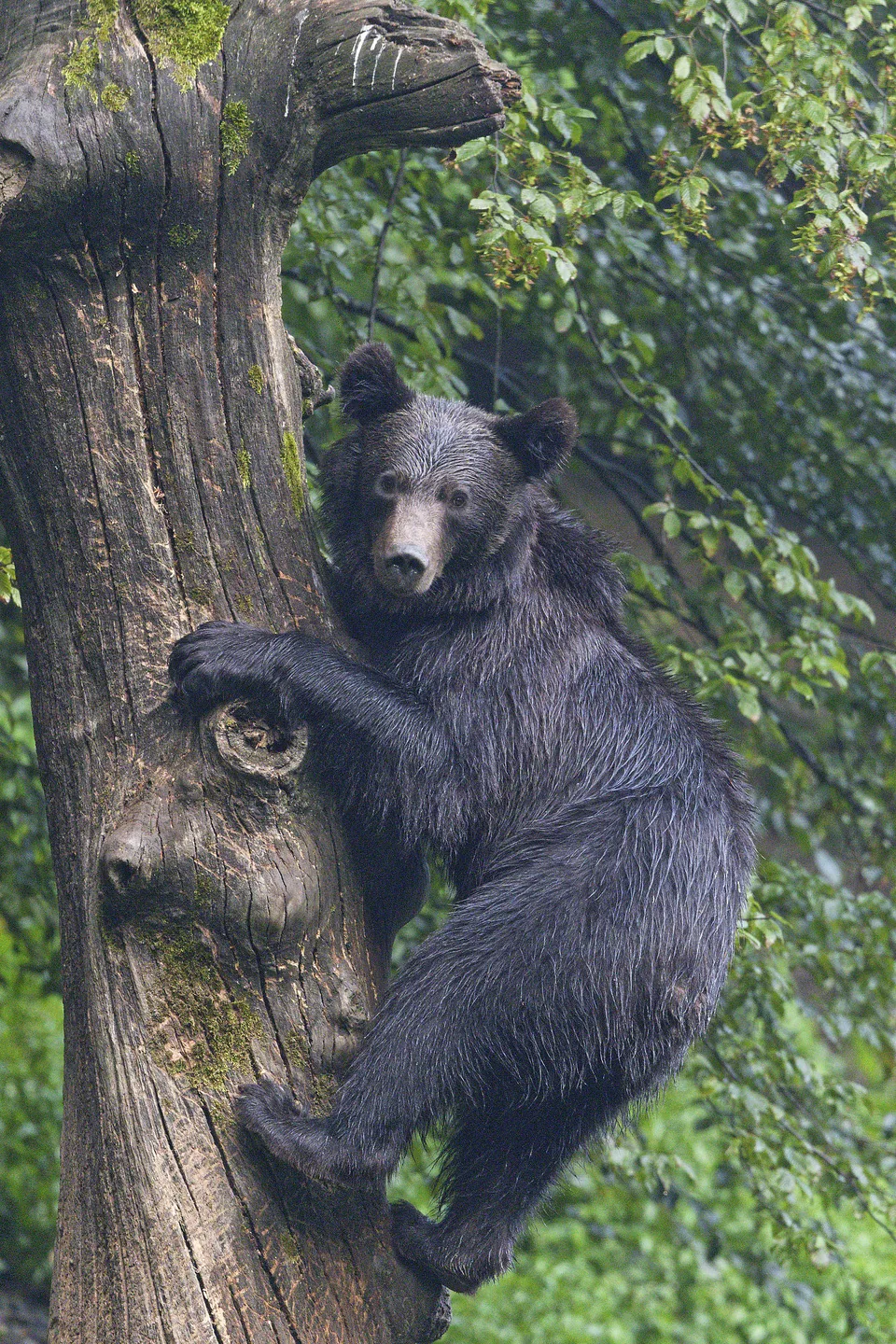
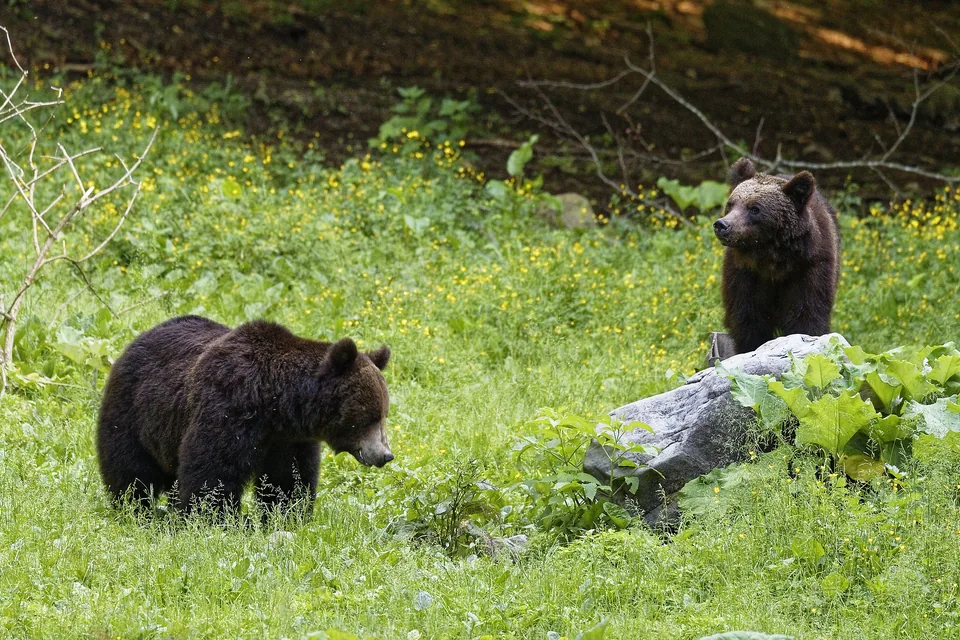
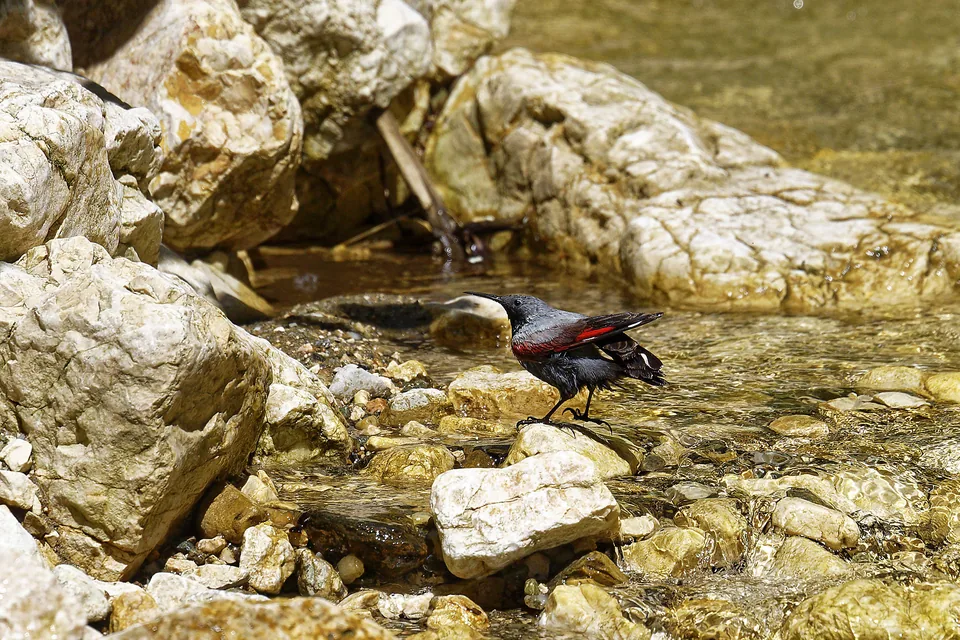
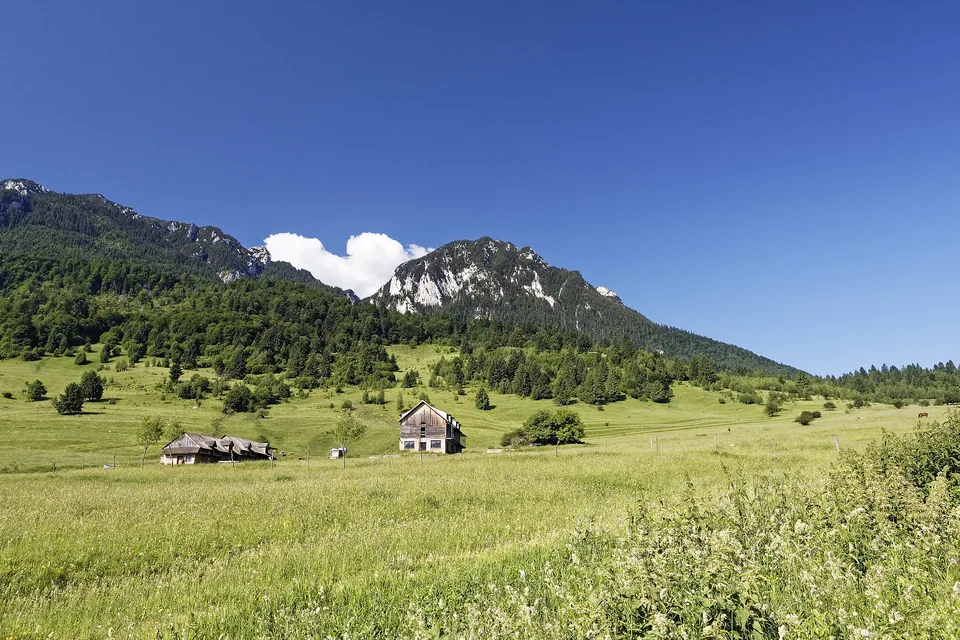
The Carpathians are a different kind of wild. Not open and luminous like the Delta, nor dry and exposed like Dobrogea, but vast, shadowed, and full of quiet tension. Here, mist drifts through ancient forests, light filters softly between spruce and beech, and every sound feels amplified — the crack of a branch, the distant call of an owl, the sudden movement of a deer at the forest edge. It is a place of patience and atmosphere, where wildlife reveals itself slowly: a brown bear emerging at dusk, a capercaillie calling at first light, a wallcreeper flashing against limestone, or a Ural owl hidden in the deep woods. Our guided tours are designed around timing, habitat, and stillness, giving you the chance to experience the Carpathians not as a checklist, but as a living mountain world. Ideal for ethical wildlife watching, bird photography, and those drawn to the raw beauty of Europe’s last great forests.

More about the Carpathians
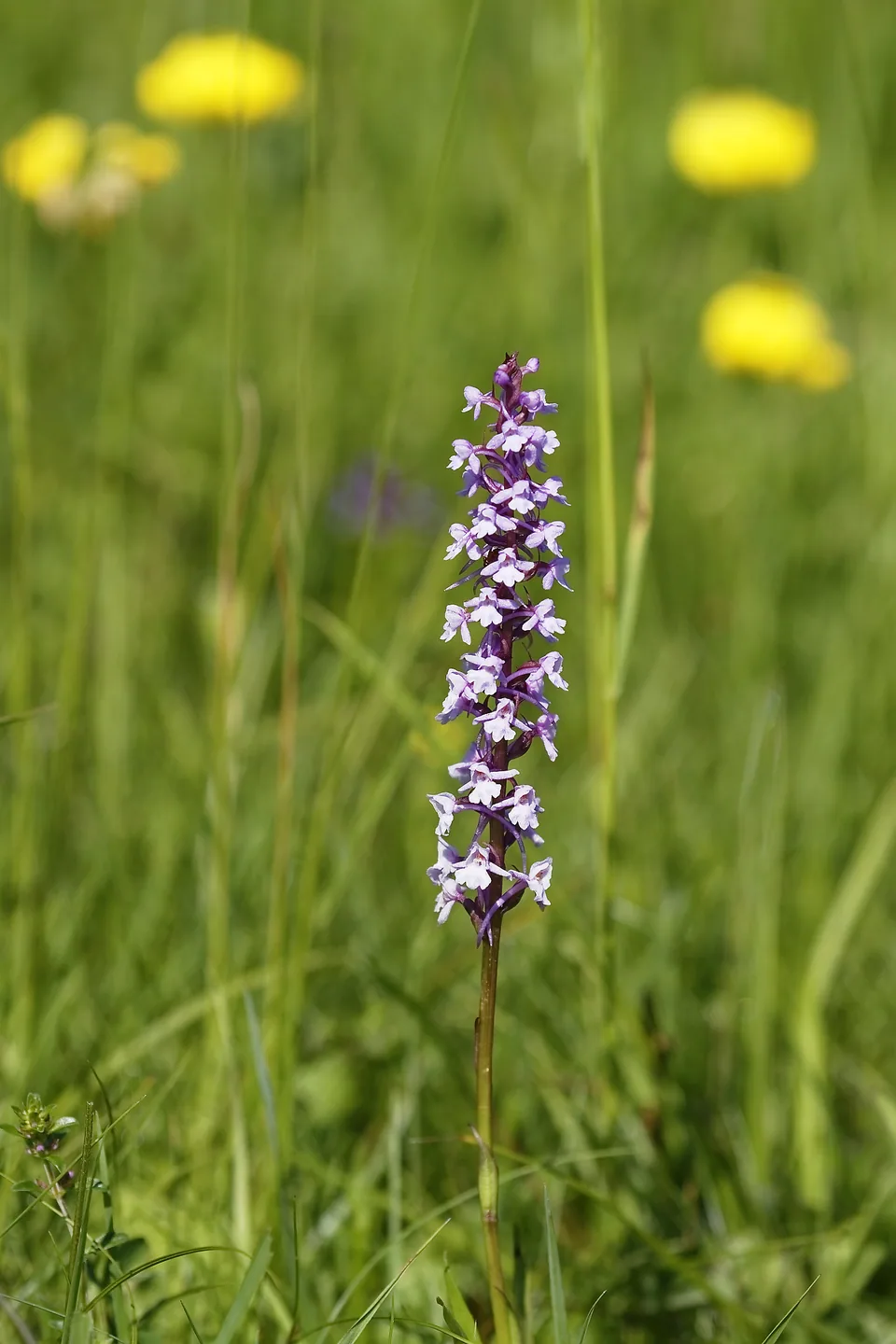
Brown bear on a tree trunk in RomaniaWild orchid in a mountain meadow in RomaniaTwo brown bears in a forest meadow in the Carpathian Mountains, RomaniaWallcreeper on a rocky mountain stream in the Carpathian Mountains, RomaniaTraditional landscape in the Carpathian Mountains, Romania

Birds You Can See in Romania

Romania's 400+ species span waterbirds, raptors, forest species, and steppe birds. A selection of the most sought-after species by habitat.

Delta Waterbirds

Dalmatian Pelican – Pelecanus crispus
Great White Pelican – P. onocrotalus
Pygmy Cormorant – Microcarbo pygmaeus
Squacco Heron – Ardeola ralloides
Night Heron – Nycticorax nycticorax
Purple Heron – Ardea purpurea
Glossy Ibis – Plegadis falcinellus
Ferruginous Duck – Aythya nyroca
White-tailed Eagle – Haliaeetus albicilla
Common Kingfisher – Alcedo atthis

  • Steppe & Dobrogea

    European Roller – Coracias garrulus
    European Bee-eater – Merops apiaster
    Collared Pratincole – Glareola pratincola
    Lesser Kestrel – Falco naumanni
    Red-footed Falcon – Falco vespertinus
    Long-legged Buzzard – Buteo rufinus
    Calandra Lark – Melanocorypha calandra
    Black-headed Bunting – Emberiza melanocephala
    Pied Wheatear – Oenanthe pleschanka
    Isabelline Wheatear – O. isabellina

  • CARPATHIAN FOREST

    Capercaillie – Tetrao urogallus
    Hazel Grouse – Tetrastes bonasia
    Ural Owl – Strix uralensis
    Tengmalm’s Owl – Aegolius funereus
    Three-toed Woodpecker – Picoides tridactylus
    White-backed Woodpecker – Dendrocopos leucotos
    Black Stork – Ciconia nigra
    Saker Falcon – Falco cherrug
    Wallcreeper – Tichodroma muraria
    Alpine Accentor – Prunella collaris

  • Winter Spectacle

    Red-breasted Goose – Branta ruficollis
    White-fronted Goose – Anser albifrons
    Rough-legged Buzzard – Buteo lagopus
    Peregrine Falcon – Falco peregrinus
    Merlin – Falco columbarius
    Great Grey Shrike – Lanius excubitor
    Penduline Tit – Remiz pendulinus
    Smew – Mergellus albellus
    Long-tailed Duck – Clangula hyemalis
    Velvet Scoter – Melanitta fusca

    Best Seasons for Birding in Romania

    SPRING April – June

    Peak breeding season. Colonies active, passage migrants, long days. May is the single best month of the year.

  • SUMMER July – August

    Post-breeding concentrations, juveniles, early wader migration. Hot but excellent for delta species.

  • AUTUMN September – October

    Migration spectacle on the Via Pontica. Raptors, storks, millions of passerines. Red-breasted Geese arrive.

  • WINTER December – February

    Wintering geese and raptors can make Dobrogea rewarding in the colder months. Flock sizes and locations change with weather and habitat conditions.

    Questions About Birding in Romania

    Romania offers a wide range of bird habitats, from the wetlands of the Danube Delta to the open country of Dobrogea and the forests of the Carpathians. The Delta supports more than 300 recorded bird species, while nearby Dobrogea adds important migration and wintering opportunities.

    What is the best time of year for birding in Romania?

    April through June is the peak season — breeding colonies are in full swing, passage migrants are on the move, and daylight hours are long. May is consistently the single best month of the year. September and October bring excellent migration activity, while winter — December through February — delivers something spectacular in its own right: vast Red-breasted Goose flocks on the Dobrogea steppe, typically numbering between 15,000 and 50,000 birds, with historically even larger gatherings on record.

    What is the Danube Delta and why does it matter for birds?

    The Danube Delta is one of Europe’s major wetland landscapes and a UNESCO World Heritage Site. Its lakes, reedbeds and channels support pelicans, pygmy cormorants, squacco herons and many other birds across the seasons.

    Can I combine the Danube Delta with Carpathian wildlife?

    Yes. Our multi-region itineraries can combine the Danube Delta, Dobrogea and the Carpathians. Travel times and the balance of activities depend on the route. Check the day-by-day programme or contact us about a tailor-made itinerary.

    Do I need permits for birdwatching in Romania?

    Visits to the Danube Delta Biosphere Reserve require the appropriate permits, and strictly protected areas have additional access restrictions. Mountain parks may also require tickets or permits. Follow the route-specific guidance on your tour page and the rules of each protected area.