You do not need to recognise every bird before visiting the Danube Delta. A more useful starting point is learning how to look: notice a bird's shape, where it feeds and how it moves before reaching for its name. Give yourself time to watch an encounter unfold rather than turning every stop into a checklist.
Read the habitat before looking for a name
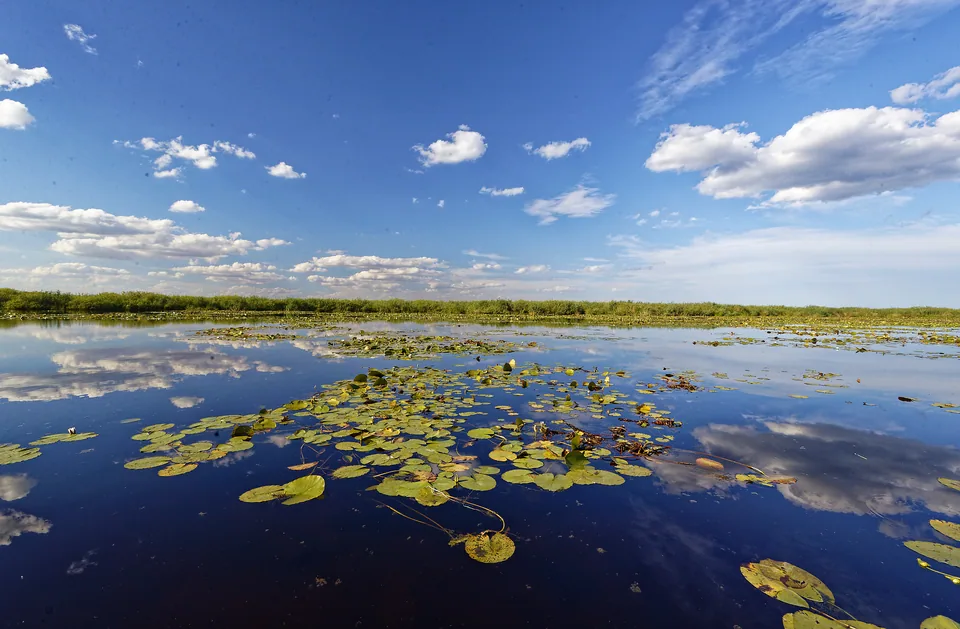
Open water, reed edges and riverside trees offer different viewing opportunities. Begin with the whole scene. Scan slowly with your eyes, then bring up your binoculars when something catches your attention. Look along edges as well as across the middle of a lake.
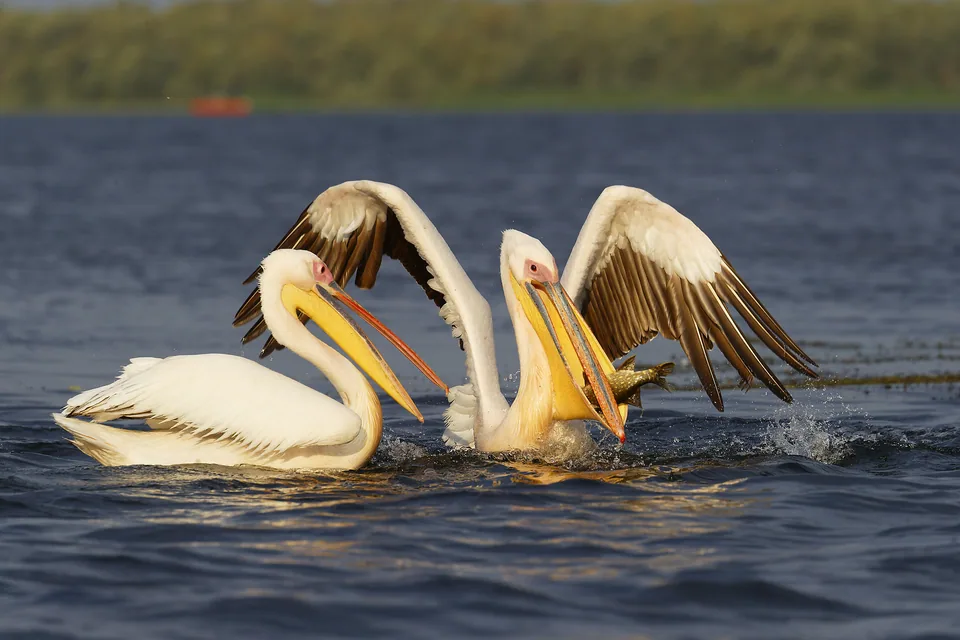
Pelicans, herons, egrets and cormorants are useful groups to become familiar with. Start by comparing size, neck shape and the way each bird stands or swims. A distant silhouette may tell you more than a brief glimpse of colour. Species and numbers vary with conditions, season and the route taken; no list is a promise of sightings.
Build an identification from several clues
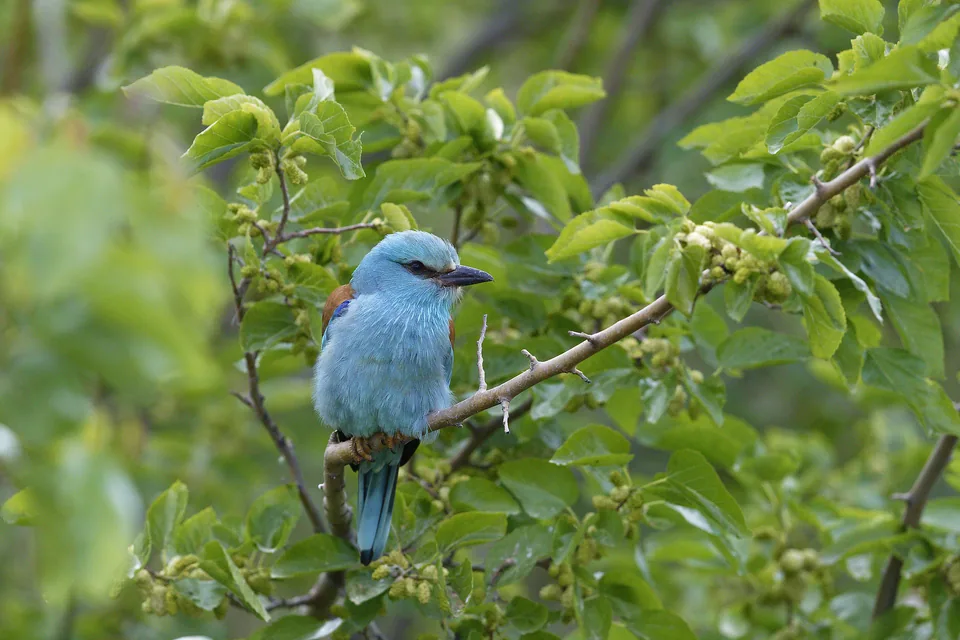
Make a short note while the bird is still in view: larger or smaller than a duck, long or short bill, steady flight or rapid wingbeats, alone or in a group. Add the habitat and what it was doing. These observations make a field guide much easier to use later.
If you take a reference photograph, keep watching too. An imperfect image can help with identification, but it will rarely record every useful feature. Ask your guide which details separate similar birds and practise those comparisons on common species first.
Choose binoculars you can use comfortably
An 8x or 10x binocular is a common starting point. Try the instrument in your own hands: can you find the subject quickly, focus smoothly and hold the view steady? If you wear glasses, check the eyecup position and whether you can see the whole image.
Practise on a stationary object before the trip. Keep looking at it while lifting the binoculars to your eyes. Familiarity with a comfortable pair is more useful in the field than specifications you have never tested.
Choose a trip with the right pace
A birdwatching departure should leave room to observe behaviour and discuss identification. A photography departure may spend longer waiting for one subject or angle. Decide whether you want variety, photographs or a balance, then compare the actual itinerary.
Stay seated and follow the boat operator's instructions when moving on the water. Keep voices low and let wildlife carry on with its day. Before booking travel, check whether your chosen tour meets at Tulcea Harbor or Bucharest Otopeni Airport; the details are on that tour's page.
Before you go
- Practise focusing your binoculars before departure.
- Record shape, behaviour and habitat as well as colour.
- Choose a birdwatching itinerary that matches your interests.
Turn your reading into time in the wild
Explore the relevant tours, then check each departure's itinerary, meeting point and equipment advice. Ask us if you would like help choosing.
Ask your local guide