Good fieldcraft is part of making a wildlife photograph. Before thinking about a closer frame, ask what the animal is doing and whether your presence is changing it. The aim is to come home with an observation worth remembering, while leaving the subject able to feed, rest and move normally.
Let behaviour determine your distance
There is no universal distance that suits every animal and situation. Look for a change in behaviour as you approach, and stop well before an encounter becomes a test of how close you can get. If your presence interrupts what the animal was doing, give it more room.
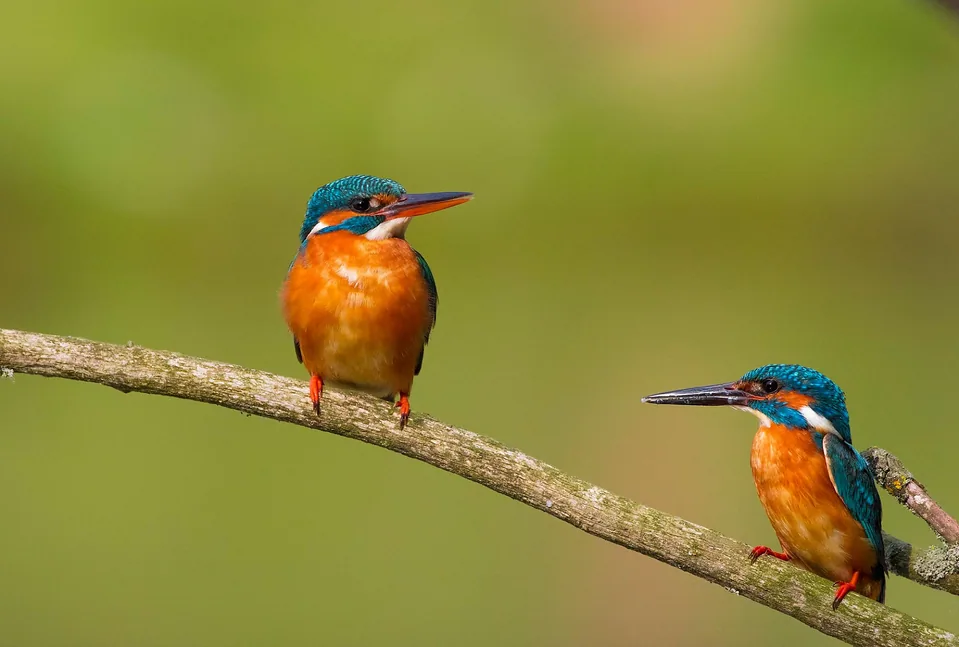
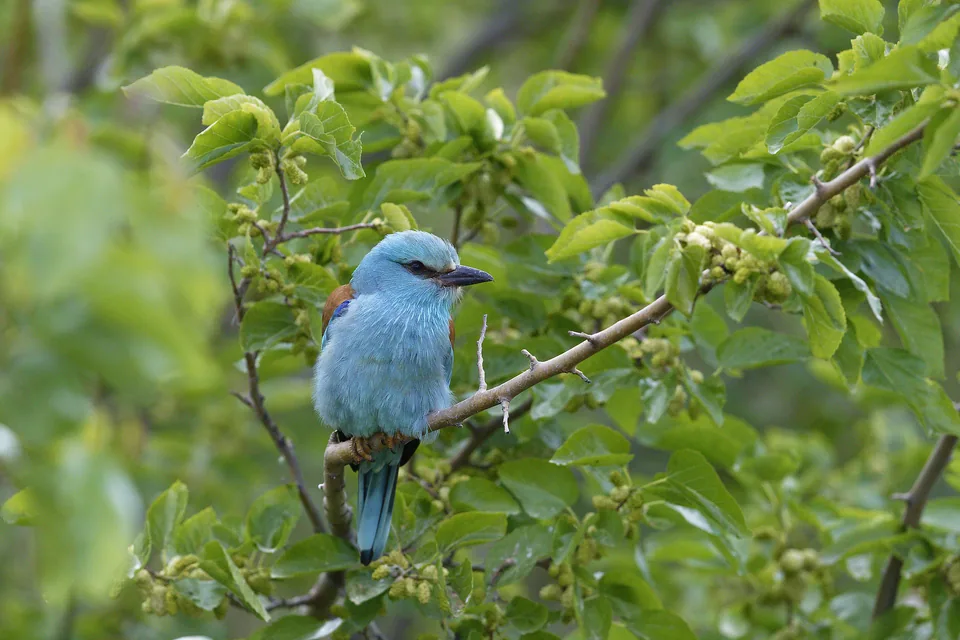
Use framing creatively when a subject is distant. A small bird within a landscape can explain scale and habitat. Cropping later, waiting patiently or accepting that a photograph will not happen are all valid choices.
Avoid building pressure around one subject
Several quiet observers can still become an obstacle if they surround an animal or block its route. Keep the group together and follow the guide's positioning. Do not pursue a subject from stop to stop simply because it keeps moving away.
Choose a settled position and let the encounter develop. Resist repeated calls, playback, food or attempts to provoke a response for the camera. Never flush birds deliberately to create a flight shot. A missed image is preferable to an encounter arranged at the animal's expense.
Treat breeding and resting places with extra care
A nesting area is not an invitation to approach. Follow access restrictions and the guide's instructions, and photograph from appropriate established viewpoints. Avoid waiting beside a nest or den, changing vegetation for a clear view or revealing a sensitive location to a crowd.
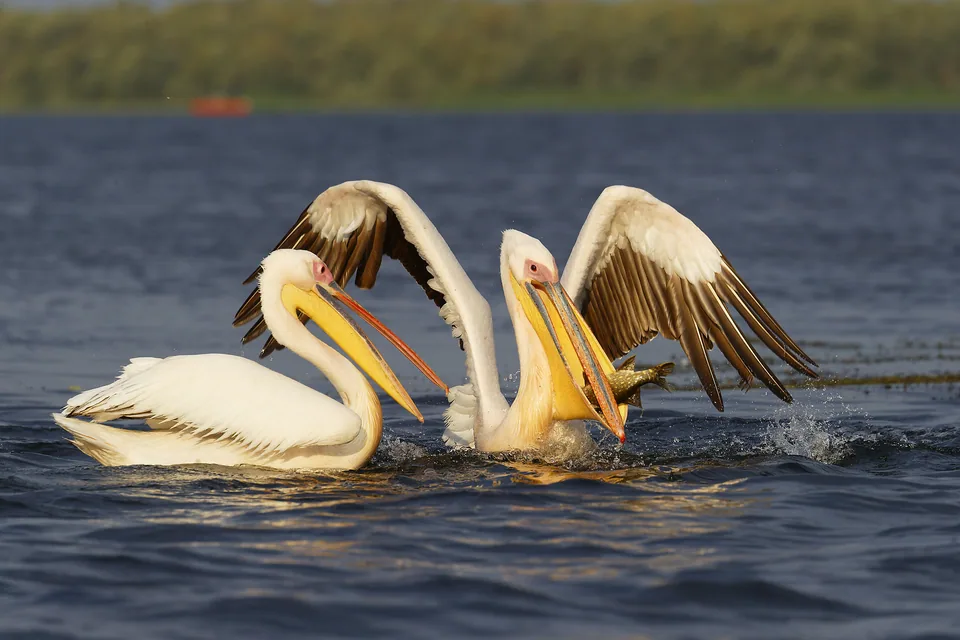
The same restraint applies to a resting flock. Before moving a boat or stepping closer, consider what the whole group may do. Ask whether there is a way to observe from the position you already have rather than continually reducing the distance.
Carry your field ethics into editing and sharing
Describe the circumstances honestly. If a photograph was made from a hide or in a managed setting, make that context clear when it matters. Avoid captions suggesting that a staged situation was an unexpected wild encounter.
Before publishing a precise location, consider whether it could increase pressure on a sensitive subject. You can tell an engaging story about a region without attaching coordinates to a nest. Share the behaviour you noticed, the habitat and the choices that helped keep the encounter calm.
Before you go
- Watch the animal's behaviour before changing your position.
- Never create a flight shot by deliberately disturbing birds.
- Keep sensitive breeding locations out of public location tags.
Turn your reading into time in the wild
Explore the relevant tours, then check each departure's itinerary, meeting point and equipment advice. Ask us if you would like help choosing.
Ask your local guide