Two trips can travel through similar scenery and still offer very different experiences. A general boat excursion may provide an introduction to the waterways, while a dedicated wildlife tour builds more of the day around observing animals. Neither description alone tells you whether a particular departure suits you.
Start with the purpose of the outing
For a first introduction, you might want landscapes, a village visit and a few wildlife stops. If identification and behaviour matter most, ask whether the programme leaves time for repeated observations and discussion. Compare the written itinerary rather than assuming a boat trip is automatically a birdwatching tour.
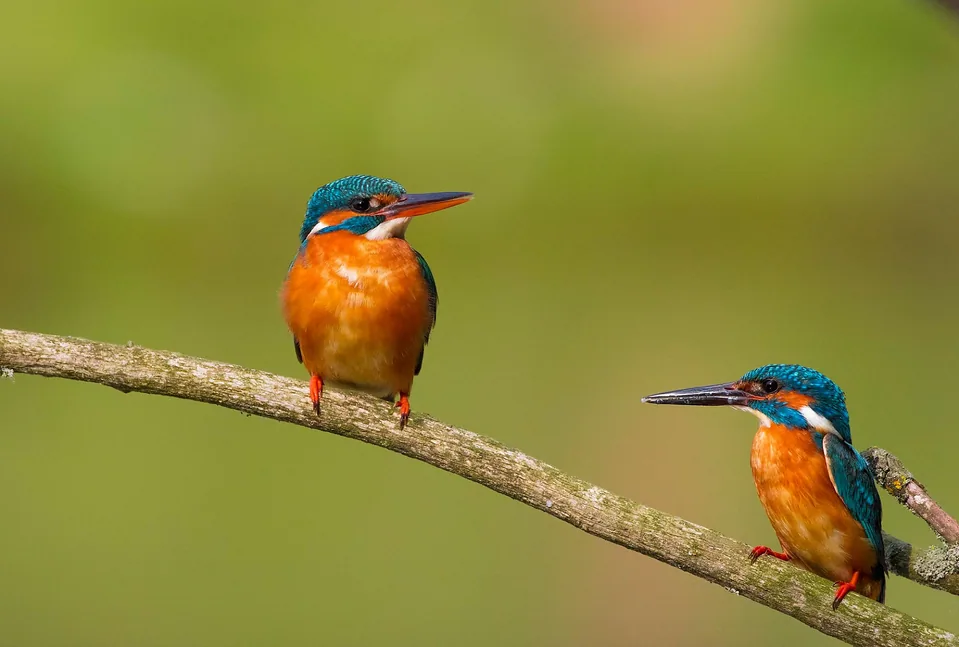
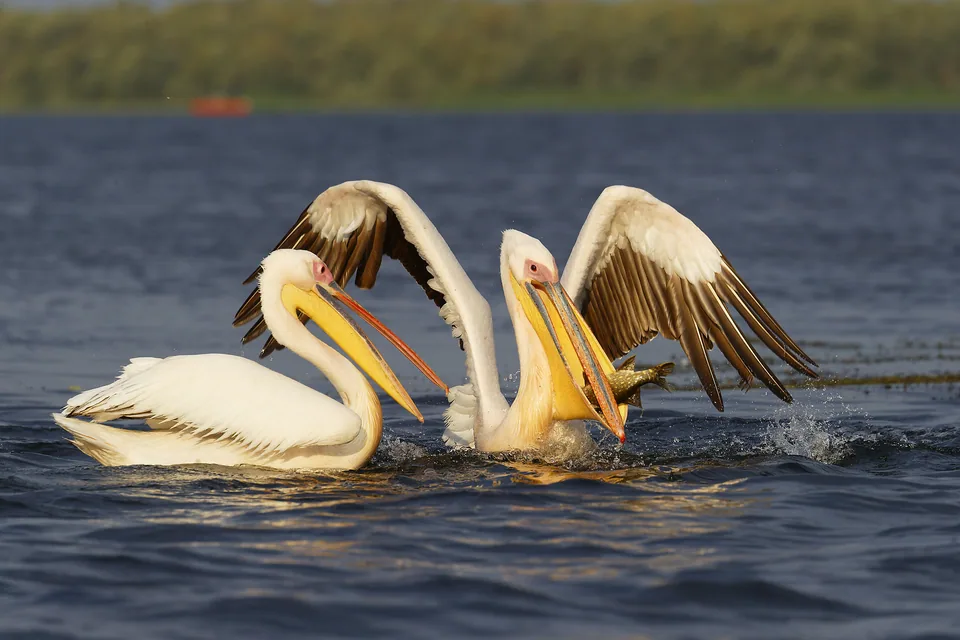
Photography introduces another priority: light, background and position can make one subject worth a longer wait. If you mainly want to watch many birds, find out how that pace will feel. A mixed-interest group can work well when expectations are discussed beforehand.
Compare time observing, not distance travelled
Ask how long the outing lasts, what kinds of stops it makes and how much flexibility the guide has. A route covering more kilometres is not necessarily a better wildlife experience. Equally, a short outing can be enjoyable when its purpose matches the time you have.
Request a realistic description of time on the boat and ashore. A multi-day itinerary may provide several opportunities to revisit a habitat; a single excursion has a different time budget. Avoid comparing these formats as if they offered the same depth of experience.
Check the arrangements around the experience
Look at group size, guide language, seating and equipment space. Ask whether binoculars or other equipment are supplied before assuming they are included. If someone in your party is less interested in birds, discuss how they would spend the outing too.
Responsible observation matters in either format. The useful question is how the operator behaves around wildlife, not whether a particular label sounds specialised. Ask how close approaches are managed and how the group responds when animals need space.
Match the departure to your own priorities
Choose a broad introduction if your time and interests call for one. Choose a dedicated birdwatching departure when learning and observation are central. Choose a photography itinerary when you are comfortable investing time in an image rather than continually moving to another stop.
You do not need to decide from the tour title alone. Tell us how long you have, what you hope to see and whether photography is a priority. Then compare the relevant tour pages, including their actual starting points and travel arrangements.
Before you go
- Compare purpose, pace and itinerary rather than labels.
- Check group arrangements and what equipment is included.
- Choose a format that suits everyone travelling with you.
Turn your reading into time in the wild
Explore the relevant tours, then check each departure's itinerary, meeting point and equipment advice. Ask us if you would like help choosing.
Ask your local guide