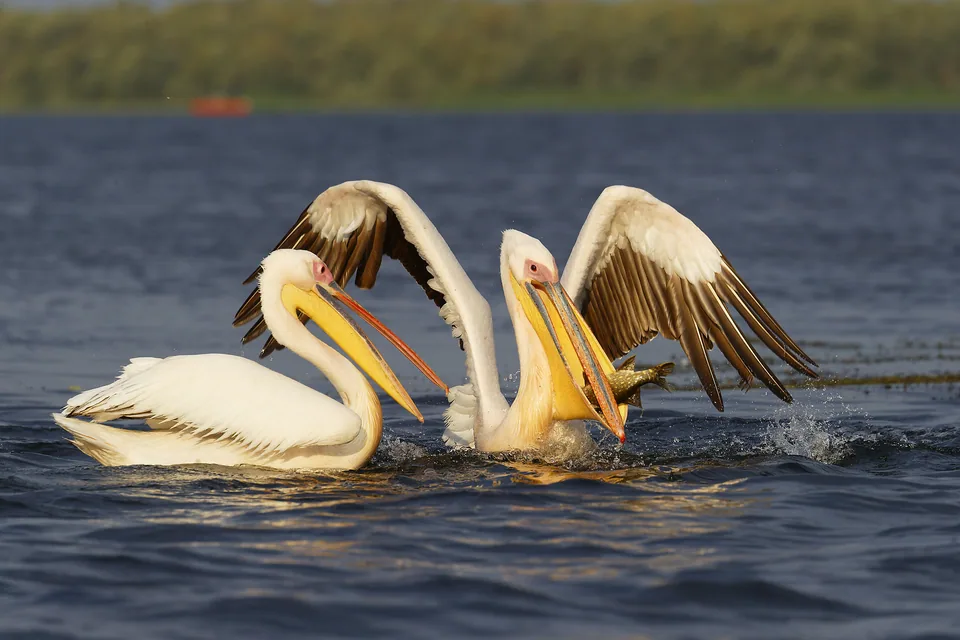
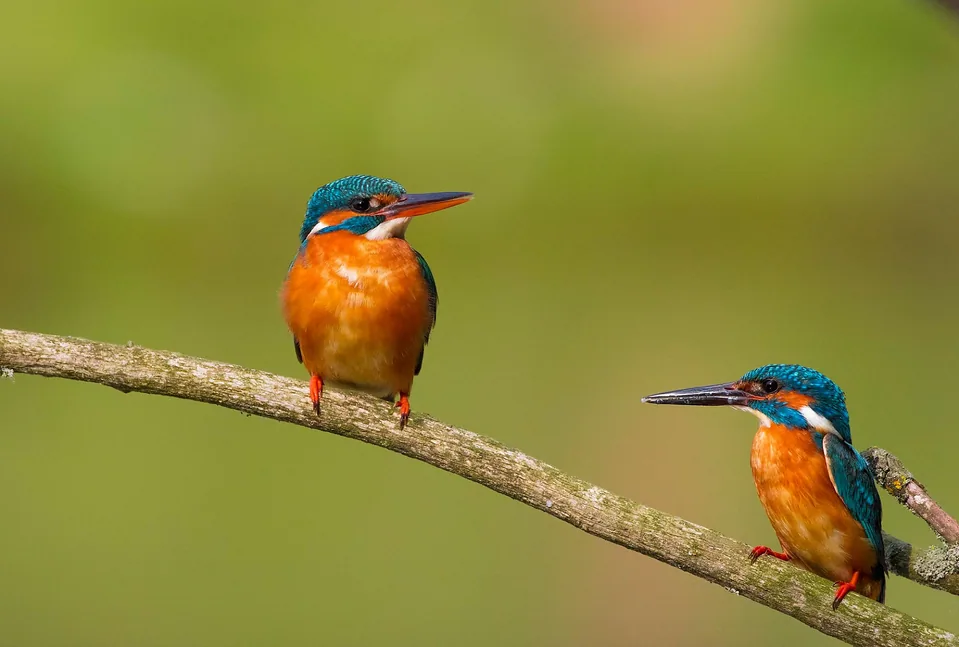
A wildlife photography day is shaped by observation and light as much as by a route on a map. Several of our Delta photography itineraries describe morning and afternoon sessions with time to rest between them. The outline below explains that style of day; your chosen departure’s programme supplies the actual arrangements.
Prepare before the session begins
Charge batteries, organise cards and check the controls you expect to use before leaving accommodation. Put essential items where you can reach them without unpacking everything. A simple routine leaves more attention for the surroundings once the boat is moving.
Confirm the meeting time and listen to instructions about boarding, seats and storing equipment. Tell the guide if you need help handling a bag. It is easier to resolve a practical concern while everyone is preparing than after an observation has already begun.
Observe first, then build your photographs
The morning session may include quiet navigation, stops and time watching a promising subject. A guide can help explain the scene and suitable positioning, but wildlife decides what happens next. A calm period is part of the experience rather than evidence that the trip has gone wrong.
Photographers may work on a sequence, a reflection or a subject within its habitat rather than constantly seeking another species. Tell the guide what you are trying to achieve. Keep voices and movement considerate so that other participants can enjoy the same encounter.
Use the break to reset your equipment and attention
Where the itinerary includes a return and rest period, use it to recharge yourself as well as your batteries. Check memory-card space, protect equipment and review a few images for focus or exposure problems. You do not need to edit an entire morning while other useful preparation waits.
Discuss what you found difficult: locating birds, changing focus settings or choosing a background. A specific question is easier to work on during the next session than a general feeling that every image should be better. Ask what the afternoon’s practical arrangements will be.
Expect an afternoon plan that responds to the day
Later photography may use different light or revisit a location when conditions suit it. Routes and timing can change with circumstances. Read flexibility as a way of working with wildlife, not as a guarantee that an absent subject will appear on a second attempt.
The daily programme, meals, transfers and exact session lengths differ between departures. Compare the published tour page with your own expectations and ask before booking. A combined Delta and Carpathian trip also includes different activities and travel days, so it should not be understood as this same day repeated.
Before you go
- Use the selected departure’s itinerary for actual times and services.
- Prepare equipment before boarding.
- Leave room for observation, rest and changing conditions.
Turn your reading into time in the wild
Explore the relevant tours, then check each departure's itinerary, meeting point and equipment advice. Ask us if you would like help choosing.
Ask your local guide