A list of birds can help you prepare for the Delta, but it cannot show you what a morning there feels like. The rewarding part is often watching how different birds use the same stretch of water: one searches below the surface, another waits at an edge, and another passes overhead. Begin with that relationship between bird and place.
Open water: watch movement and group behaviour
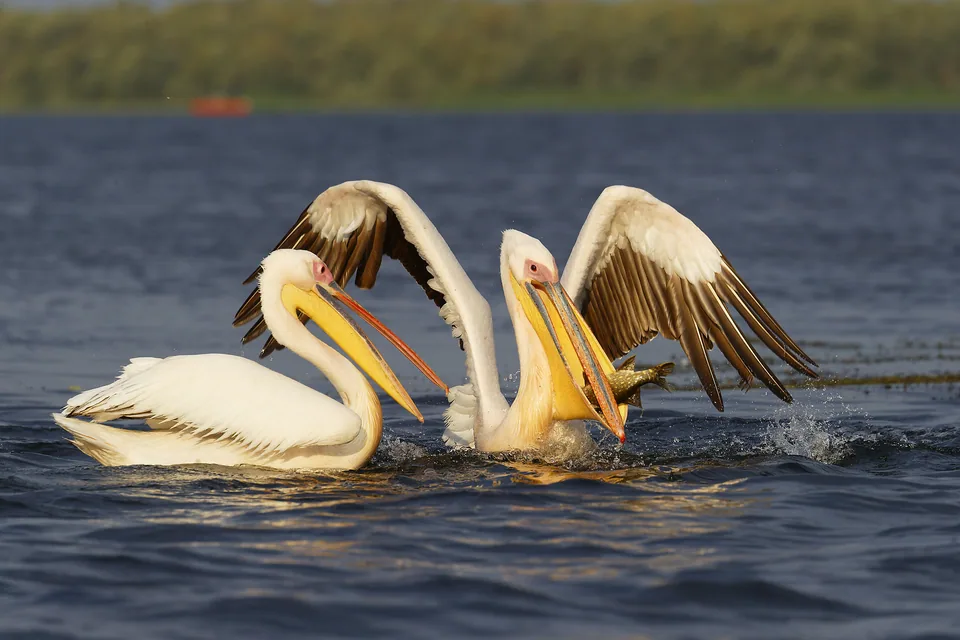
Pelicans and cormorants are among the bird groups associated with the Delta's waters. Rather than concentrating only on a close portrait, watch the spacing between birds, their direction of travel and how a group changes shape. A wider photograph can show this interaction.
Observe from an appropriate distance and let your guide decide how the boat should be positioned. The route is influenced by conditions and responsible access as well as what was seen previously. A photograph from another trip is an illustration of a possibility, not a guarantee for yours.
Reeds and margins: slow down your search
The transition between water and vegetation deserves a patient scan. Look for a shape that breaks the pattern, a brief movement or a bird using a stem as a perch. Spend a little time looking at one section rather than moving your binoculars constantly.
When a bird appears briefly, note where it went and what you actually saw. Describing size and behaviour is more useful than guessing a species immediately. Your guide can help decide which features still need to be checked.
Trees and banks: add context to a colourful sighting
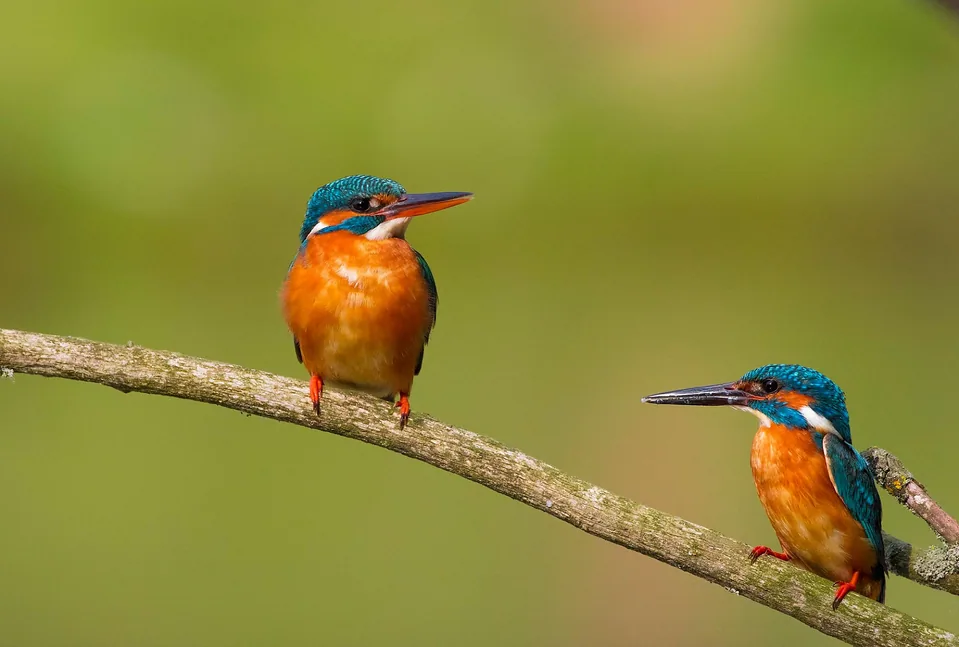
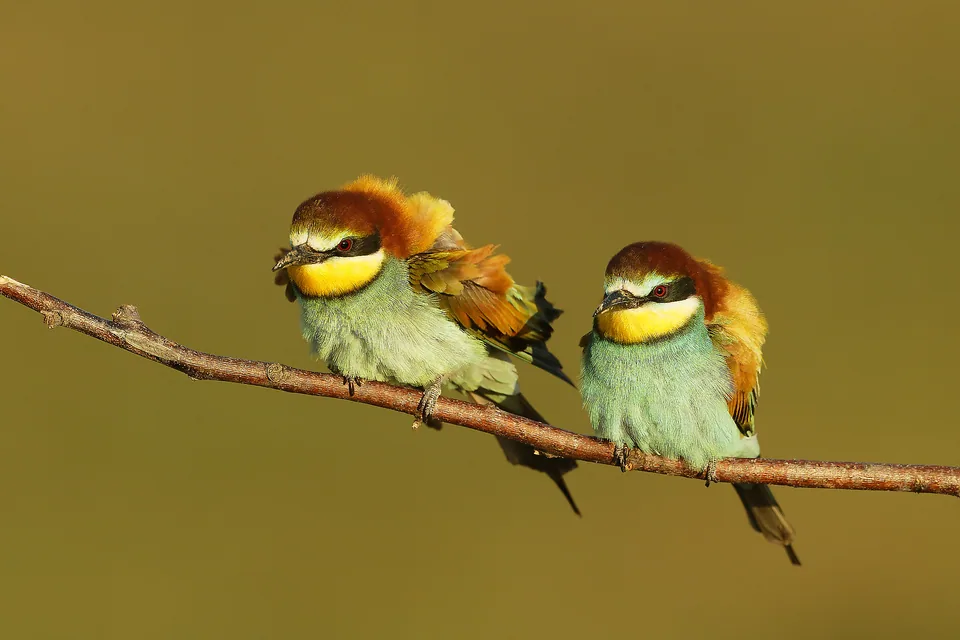
Riverside trees and banks offer a different setting from open lakes. A perch, a shaded branch or a bare patch of bank may draw your attention, but avoid assuming that a promising place will be occupied. Wait quietly where access is appropriate.
For photography, think about the background before the bird arrives. A frame with a simple background may need very little adjustment when an encounter happens. Do not alter vegetation or approach a nesting site to create that composition.
Use a wish list to start a conversation
Tell the guide which bird groups or behaviours interest you, and whether you prefer watching, identification or photography. A realistic wish list helps shape a discussion about suitable departures. It should leave room for unexpected observations rather than judging the day by one absent species.
The Delta changes through the year, and sightings depend on weather, water conditions and the birds themselves. Compare the chosen itinerary with your interests and ask for current planning advice. Combining the Delta with Dobrogea or the Carpathians adds different habitats; check the actual route rather than assuming every tour includes all three.
Before you go
- Watch how birds use their habitat, not just how they look.
- Treat previous trip photographs as examples rather than promises.
- Discuss your interests and preferred pace before choosing a departure.
Turn your reading into time in the wild
Explore the relevant tours, then check each departure's itinerary, meeting point and equipment advice. Ask us if you would like help choosing.
Ask your local guide