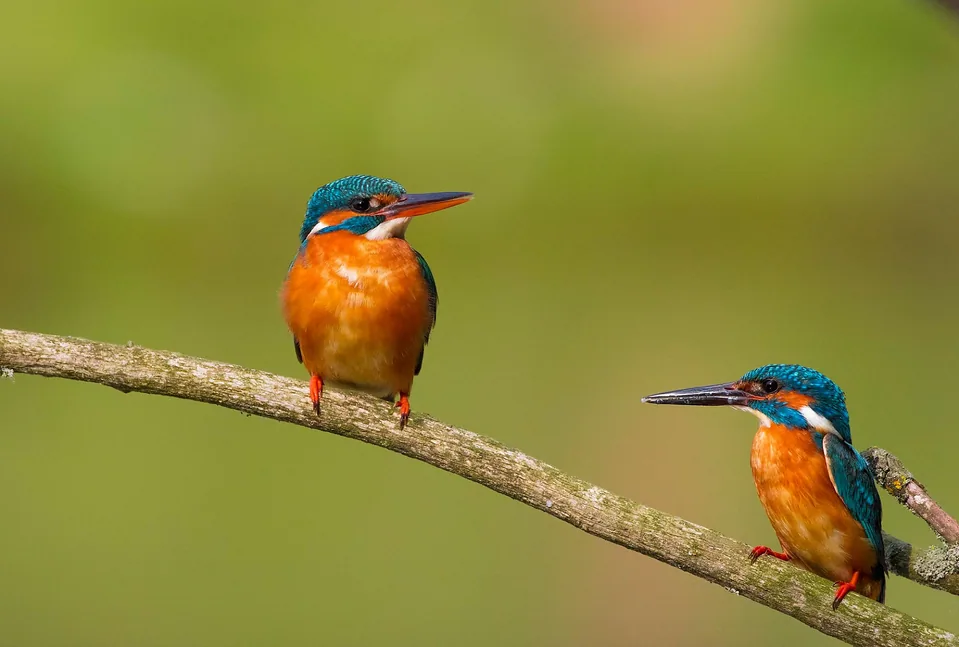
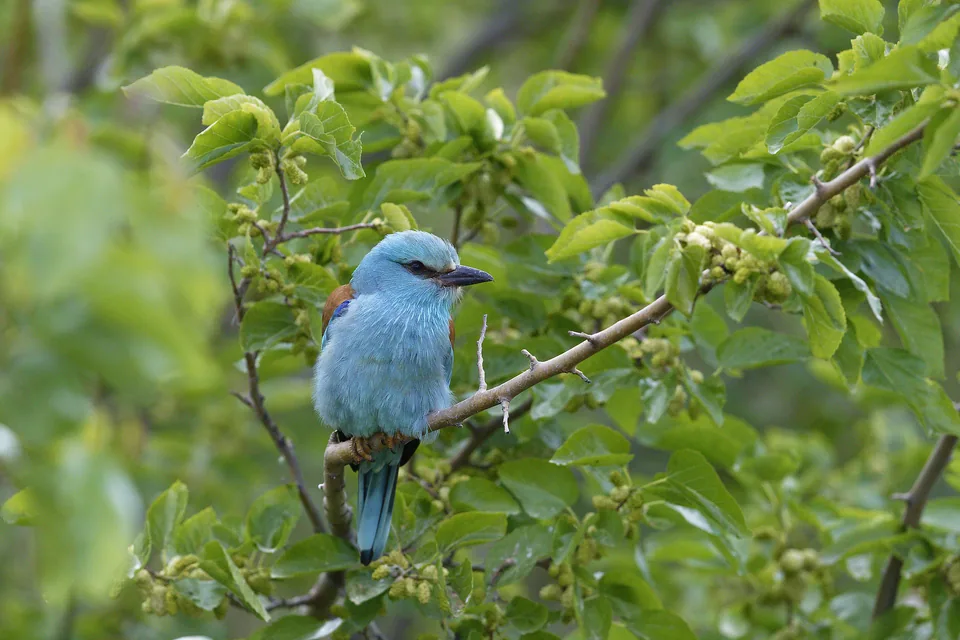
Breeding-season photography asks a different question from a simple search for a good portrait: can this picture be made without interrupting the bird's day? On a Danube Delta or Dobrogea trip, prepare an observation plan before considering a photograph of breeding activity. A successful outing does not need a nest image.
Give the day more than one photographic aim
Write down three subjects before setting out: a bird within its habitat, an ordinary behaviour and a wider scene. If a breeding area is unsuitable for photography, the day still has direction. This small exercise helps keep one possible photograph from becoming the purpose of the whole visit.
Discuss viewing arrangements with your guide before approaching a sensitive area. Ask where the group can stop and how you will decide to leave. Access rules vary between locations; a photograph seen online is neither permission to enter nor evidence that the same approach is appropriate today.
Observe before making camera decisions
Watch from the established viewing position before raising the camera. Disturbance can interrupt breeding activity, and the absence of an obvious escape flight does not establish that a bird is comfortable. Give the guide room to assess the encounter; leave rather than waiting for an unmistakable reaction.
Keep a simple field note separating observation from interpretation. Write what you actually saw, such as a bird carrying material, rather than claiming a nest, eggs or chicks you could not see. The note will later help you choose an accurate caption without filling gaps in the encounter's story.
Make the frame work from the viewing position
A longer focal length is a framing tool, not a clearance to approach. If the subject is small in the frame, try a composition with reeds, water or open sky. For example, leave space around a distant perched bird and let the photograph explain the habitat rather than imitate a close portrait.
Set exposure and autofocus using an ordinary subject beforehand. When the sensitive encounter begins, familiar controls reduce the temptation to reposition repeatedly while experimenting. If the available view does not support a useful picture, put the camera down and enjoy the observation instead.
Finish the encounter before finishing the story
Make moving on a shared decision, not a personal race for one last frame. Ask the group to compare a few images later, away from the viewing area. A short discussion over lunch can be more useful than everyone repeatedly trying to improve the same photograph in the field.
Use a broad regional description when publishing a sensitive encounter, and check exported location metadata. Keep precise breeding-site information out of public posts. Our general ethics guide links to Audubon's wider recommendations; use this article as a planning exercise, not as a local access permit or a promise of nesting-bird sightings.
Before you go
- Prepare alternative subjects before visiting a sensitive area.
- Separate what you observed from what you inferred.
- A useful field day does not require a nest photograph.
Turn your reading into time in the wild
Explore the relevant tours, then check each departure's itinerary, meeting point and equipment advice. Ask us if you would like help choosing.
Ask your local guide